
Lucas’s Changing Fatherhood
La uruguayaLucas’s ambivalent experience of parenting shifts from exhaustion and fear toward a durable, reorganized bond with Maiko.
increasing Bearing strength in each event
 decreasing
Bearing strength in each eventdecreasingThe Cost of Care
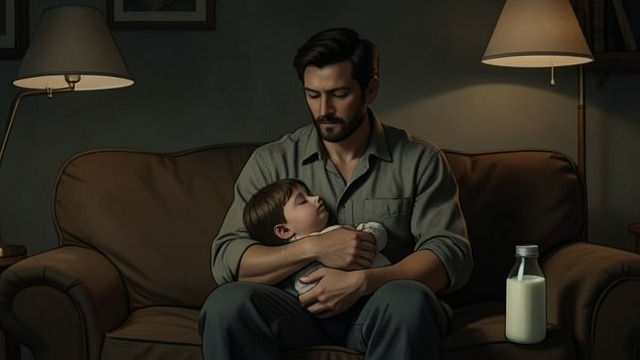
A Father’s Exhaustion
Daily demands
Lucas recalls sleepless nights, illnesses, mess, and the constant attention required to raise Maiko. He jokes that caring for his son can feel like managing a drunken little person.
Love beside resentment
He insists that he adores Maiko while admitting that parenting has narrowed his freedom. The contradiction makes his fatherhood emotionally credible rather than idealized.
Fear of Losing Him
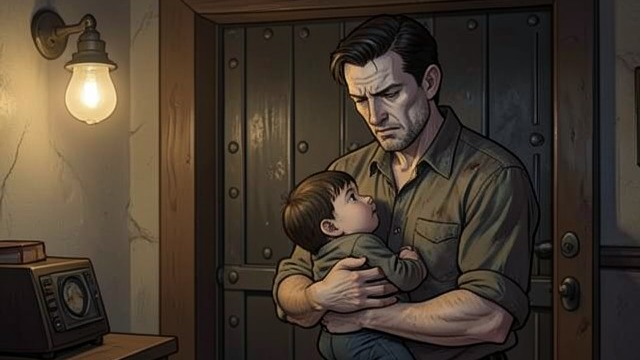
Vulnerability Arrives
A child’s danger
Lucas remembers Maiko’s fever convulsions and his belief, in the moment, that his son might die in his arms. Medical reassurance cannot erase the terror of the experience.
The family body
He imagines harm to Maiko as an amputation of the whole family. Fatherhood gives him a newly exposed vulnerability that he had not known before becoming a parent.
The Gift on the Street

Choosing Maiko’s Present
A sudden decision
Lucas sees a ukulele in a shop window and says that he has to buy it for his son. The purchase is impulsive and costly, but it reconnects the wandering afternoon to his responsibilities as a father.
A small object survives
When the robbery takes his cash and possessions, the ukulele remains in his hand. It becomes the tangible link between Lucas’s reckless day and the child waiting at home.
The Instrument’s Afterlife
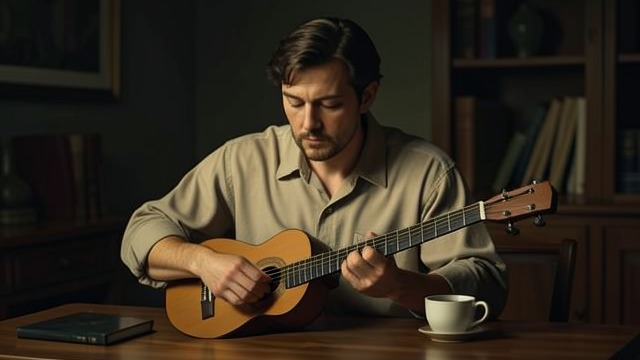
Learning to Play
Recovery through music
Lucas learns chords and rhythms on the small instrument. Its manageable scale gives him a way to practice and express himself when his larger life feels unmanageable.
A lasting paternal gift
Maiko later brings the ukulele to his father’s apartment and forgets it there. The instrument continues to support Lucas, even after its original purpose as a present has changed.
A Home in Two Places
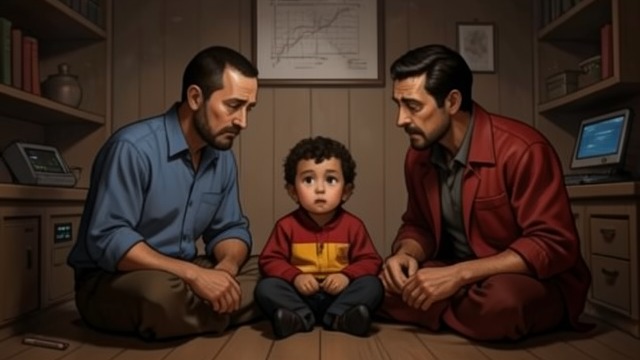
Shared Fatherhood
A new schedule
Maiko spends part of the week with Lucas and part with Catalina. Lucas describes the arrangement as something the child has adapted to, though he still misses him on the days apart.
A child names belonging
When a neighbor says Maiko has come to visit his father, Maiko replies that he lives with him too. The correction affirms Lucas’s continuing place in his son’s life.
During Lucas’s reflections while walking in Montevideo
In Lucas’s recollection of Maiko’s childhood illnesses
Late afternoon, after Lucas and Guerra leave the music shop
The months after the September return
About a year later, after the separation
